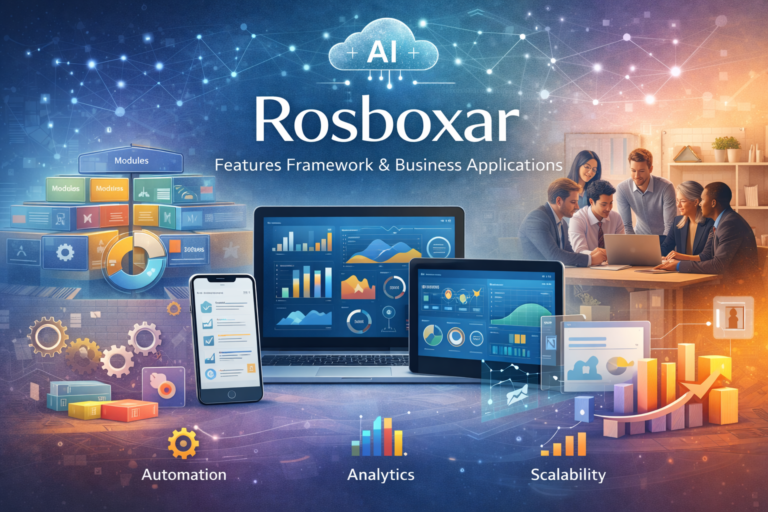
Ephads: Adaptive Digital Systems in the Modern Tech Landscape
Ephads, short for Enhanced Programmable Hybrid Adaptive Digital Systems, are rapidly changing how businesses and individuals manage digital workflows. Unlike traditional software that is rigid and static, it combines artificial intelligence, automation, and adaptive learning to optimize processes in real-time. By analyzing user behavior, environmental cues, and system performance, it delivers smarter, faster, and highly personalized operations.
For businesses, it streamlines complex workflows, integrates multiple platforms seamlessly, and reduces manual effort. Marketers benefit from hyper-personalized campaigns that adjust dynamically to customer interactions, while tech enthusiasts gain insight into the latest innovations in adaptive digital systems. In today’s fast-paced digital world, understanding and adopting it is essential for anyone looking to improve efficiency, performance, and innovation.
Understanding Ephads
At its core, an ephad is a flexible, AI-native digital framework. It integrates automation, adaptive learning, and intelligent content generation to continuously enhance workflows and system performance. Traditional software typically follows a fixed set of rules, producing predictable outputs. In contrast, it learn and evolves in response to user input and environmental factors, creating personalized and optimized outputs at scale.
The appeal of ephads lies in their hybrid nature: they combine programmable logic with AI-driven adaptability. This enables organizations to bridge fragmented tools, from email automation and analytics platforms to IoT devices, into a cohesive and self-optimizing ecosystem.
Key Components
It is built on several critical components:
- Data Ingestion: Securely pulls data from various sources like CRM systems, IoT devices, cloud platforms, and third-party applications.
- Hybrid Adaptive Engine: Combines rule-based logic with machine learning models to determine optimal actions.
- Output Orchestration: Produces dynamic, context-sensitive outputs across multiple channels.
- Feedback Loop & Continuous Learning: Monitors performance, adapts strategies, and improves outcomes over time.
These components work together to create a system that is self-learning, multi-modal, and highly adaptive, offering a significant edge over static digital tools.
Origin and Evolution
The evolution of ephads mirrors the broader trajectory of digital systems:
- 1990s: Basic computing and static scripts laid the groundwork for automation.
- 2000s: Cloud computing and SaaS platforms introduced scalable, networked solutions.
- 2010s: AI assistants and no-code platforms enabled more intuitive and automated workflows.
- 2020s: The bottleneck shifted from computing power to adaptability, personalization, and real-time responsiveness.
It emerged to solve this bottleneck. Early prototypes appeared in research labs and open-source communities, experimenting with hybrid architectures that merged programmable logic, cloud-edge processing, and adaptive AI models. By 2026, it will be integrated into commercial enterprise platforms, marking the beginning of mainstream adoption.
Technical Architecture of Ephads
Understanding it requires a look under the hood at their architecture and operation.
Data Ingestion Layer
Ephads begin with data ingestion, the foundation of their intelligence. They gather structured and unstructured data from multiple sources, such as:
- CRM platforms: Customer interactions and sales data.
- Analytics platforms: Web traffic, campaign performance, and behavioral data.
- IoT devices: Sensors, wearables, and environmental data.
- Third-party APIs: Social media, finance, and collaboration tools.
Data security is paramount. Ephads employ end-to-end encryption, federated learning principles, and user-controlled permissions to ensure that sensitive data remains protected.
Hybrid Adaptive Engine
The hybrid adaptive engine is the core intelligence of it. It combines:
- Rule-based logic for predictable and repeatable tasks.
- Machine learning models, including lightweight transformers and reinforcement learning agents, to predict optimal actions.
- Edge computing nodes for low-latency, real-time decision-making when internet connectivity may be slow.
The engine evaluates thousands of potential actions per second, choosing the most effective strategy based on predefined goals such as increasing ROI, improving customer engagement, or streamlining internal processes.
Output Orchestration of Ephads
They don’t generate a single static result. Instead, outputs are dynamic and context-sensitive:
- Personalized emails that adapt based on open rates and user interaction.
- Adaptive web content that changes layout, visuals, or messaging in real-time.
- Automated workflow triggers that adjust priorities across teams.
- Storytelling modules capable of creating customer-facing videos, narratives, or reports tailored to specific audiences.
Feedback Loop & Continuous Learning
Every interaction with an ephad feeds back into the system, creating a continuous improvement cycle. Over time, ephads become finely tuned to their environment:
- Marketing teams see optimizations specific to their campaigns.
- Software development teams benefit from AI-driven prioritization and resource allocation.
- Enterprise operations achieve predictive insights and efficiency gains.
The entire process happens in milliseconds, making it feel instantaneous and intuitive.
Key Features of Ephads
They are more than automated systems—they are adaptive, intelligent, and versatile. Their key features include:
- Zero-Code Adaptive Rules: Drag-and-drop logic builders enable non-technical users to design complex workflows.
- Multi-Modal Outputs: Support for text, video, audio, AR, and interactive elements.
- Cross-Platform Synchronization: Unified experience across desktop, web, mobile, and wearables.
- Privacy-First Architecture: Federated learning ensures data control remains with the user.
- Performance Analytics Dashboard: Real-time simulations allow forecasting ROI before implementing changes.
- Collaboration Mode: Multiple users or AI agents can work together, with intelligent version control.
Early adopters report 30-60% reductions in manual tasks within the first month of use, demonstrating tangible operational efficiency.
Real-World Applications of Ephads
Digital Marketing
They have revolutionized marketing by enabling dynamic content generation and campaign optimization:
- A mid-sized SaaS company replaced its traditional campaign suite with it.
- The system automatically generated thousands of ad variations and adjusted targeting in real-time.
- Result: 42% higher ROI and campaigns that improve continuously, even while teams sleep.
Productivity and Remote Work
Global consulting firms leverage ephads for smarter team coordination:
- Automated task prioritization when client deadlines shift.
- Meeting agendas and follow-up summaries tailored to each participant’s preferred communication style.
- Weekly status meetings reduced from 90 minutes to 25.
Content Creation & Storytelling
Independent creators use it to:
- Turn a single content outline into scripts, thumbnails, and distribution plans.
- Triple output while maintaining or improving audience engagement.
Enterprise Operations
Manufacturing plants and large enterprises implement them to:
- Predict equipment maintenance needs using IoT sensors.
- Automatically reroute workflows when issues arise.
- Generate compliance reports dynamically to meet evolving regulatory standards.
These examples demonstrate the versatility and immediate impact of ephads across industries.
Benefits of Using Ephads
They deliver measurable advantages:
Hyper-Personalization at Scale
They enable businesses to deliver truly individualized experiences to every user or customer. By analyzing behavioral patterns, preferences, and interactions in real-time, the system adapts content, recommendations, and workflows to match the unique needs of each person, going far beyond simple segment-based targeting.
Reduced Cognitive Load
With ephads handling repetitive tasks, data analysis, and workflow optimization, humans can focus on high-level strategy and creative decision-making. This reduction in manual oversight not only saves time but also allows teams to work more efficiently and avoid burnout caused by constant task-switching.
Future-Proof Architecture
They are designed to continuously learn and adapt, ensuring they remain compatible with new tools, platforms, and emerging technologies. This flexibility minimizes the need for full system overhauls, allowing organizations to evolve their operations seamlessly as digital environments change.
Measurable ROI of Ephads
They include simulation and analytics tools that forecast the potential outcomes of actions before implementation. By predicting performance, resource requirements, and impact, organizations can make informed decisions, optimize investments, and demonstrate measurable returns on digital initiatives.
Accessibility
Non-technical users can leverage ephads without deep expertise in coding or data science. The system’s intuitive interfaces, drag-and-drop builders, and automated recommendations allow anyone in the organization to achieve results that previously required specialized knowledge.
Digital Co-Pilot Experience
They function like an intelligent co-pilot, understanding organizational goals and user priorities rather than blindly following commands. This context-aware intelligence enables the system to make proactive suggestions, optimize workflows, and adapt to changing conditions automatically.
Challenges and Limitations of Ephads
While powerful, they are not without challenges:
- Learning Curve: Complex workflows require careful training for accurate results.
- Data Quality Dependence: Poor input data results in suboptimal outputs.
- Compute Requirements: Advanced features may need high-performance hardware or cloud resources.
- Regulatory Compliance: Continuous updates are needed to meet evolving data privacy laws.
- Over-Automation Risk: Human oversight is crucial to maintain genuine value.
Addressing these challenges involves investment in training, infrastructure, and governance policies.
Comparison with Traditional Solutions
| Aspect | Traditional Tools | Ephads Hybrid System | Key Takeaway |
| Adaptation Speed | Manual updates | Real-time self-optimization | wins |
| Personalization | Segment-level | Individual-level | wins |
| Setup Time | Hours to days | Minutes to hours | more efficient |
| Technical Skill | Medium to high | Low to medium | more accessible |
| Cross-Platform | Multiple integrations | Native orchestration | seamless |
| Privacy | Varies | Federated & user-controlled | stronger |
For small teams and content creators, they often feel revolutionary, while enterprises may benefit from using ephads as an overlay on existing systems.
Safety and Reliability
They prioritize security and reliability:
- End-to-end encryption and zero-knowledge architecture.
- Granular permission controls.
- Bias detection and ethical safeguards.
- Fallback mechanisms and human-in-the-loop checkpoints.
- Pilot implementations report uptime exceeding 99.97%.
Responsible implementation ensures both operational efficiency and ethical compliance.
Who Should Use Ephads
- Solopreneurs and Creators: For content production and personal brand management.
- SMB Marketing Teams: To consolidate tools and automate repetitive tasks.
- Product & Engineering Teams: For intelligent workflow automation.
- Agencies: Deliver faster results to clients.
- Forward-Thinking Enterprises: Experiment with adaptive systems ahead of competitors.
Challenges Solved by Ephads
- Campaign Fatigue: Dynamic creative adapts automatically.
- Team Overload: AI-assisted task prioritization.
- Slow Response Times: Real-time adaptive strategies.
- Generic Experiences: True personalization at enterprise scale.
They fundamentally shift digital workflows from reactive to proactive systems.
Future of Ephads (2026–2030)
Looking ahead, they are poised for even greater innovation:
- AR/VR Integration: Spatial workflows for immersive experiences.
- Quantum-Inspired Optimization: For complex multi-variable problems.
- Voice & Gesture Interfaces: Hands-free control of systems.
- Blockchain Integration: Decentralized, trustless collaboration.
- Emotional Intelligence Modules: Detect user sentiment to adapt outputs dynamically.
By 2030, style systems could become ubiquitous across all sectors, similar to cloud storage today.
Conclusion
Ephads represent a paradigm shift in digital systems, combining automation, AI, and continuous learning to create adaptive, efficient, and personalized workflows.
Organizations and creators who embrace it now will enjoy compounding advantages in speed, personalization, and operational efficiency. Those who delay risk falling behind competitors equipped with systems that understand goals better and act faster.
The journey toward a fully adaptive digital future has begun. By integrating them, businesses can unlock unprecedented performance, connectivity, and user engagement, redefining what digital systems can achieve.